Drink Your Vegetables!
If you’re avoiding certain vegetables because of their taste or texture, you may be missing out on some of nature’s most impressive sources of nutrition.
Vegetables such as kale, broccoli, spinach, and parsley offer remarkable combinations of vitamins, minerals, fiber, and beneficial plant compounds. The compounds that contribute to their distinctive flavors are also being studied for their potential health benefits.
Fortunately, you don’t have to enjoy every vegetable on its own to appreciate its nutritional treasures. Blending offers a delicious way to bring more of these vegetables into your everyday diet.
Create Your Own Vegetable Smoothie
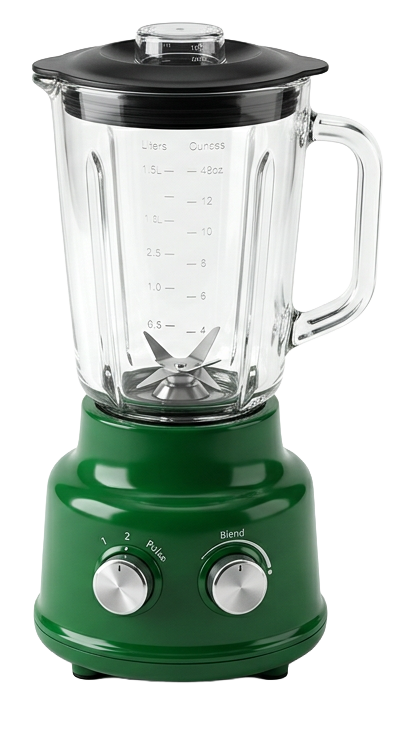
Begin with vegetables you would like to enjoy more often. Don’t like the grassy taste of kale or the texture of broccoli? Try adding a little green apple and lemon juice. The possibilities are almost endless—and the flavors are yours to create. With a basic, inexpensive blender (some as little as $20 to $50), you can experiment with combinations of vegetables and familiar flavors until you discover what appeals to you.
Keep the Fiber: Blend, Don’t Juice
Blending whole vegetables retains most of their valuable fiber, unlike conventional juicing, which removes much of the pulp. Blending also breaks down plant tissues, making some nutrients more accessible during digestion.
Fiber supports digestive health, helps you feel satisfied, and plays an important role in blood sugar management. For diabetes-friendly smoothies, use modest portions of whole fresh or frozen fruit rather than fruit juice, and avoid added sugars.
Explore Smoothie Recipes
Whether you’re looking to boost your nutritional intake, manage your blood sugar, or maintain a healthy weight, there’s a wide variety of smoothie recipe books to explore.
Below, we feature two books that offer inspiration for experimenting with vegetables, fruits, and flavors to suit your own tastes:
The Smoothie Bible
The Smoothie Recipe Book

Enjoy the tastes you love and the nutrition your body loves!